The Pros and Cons of Different Rubber Stoppers
Rubber stoppers are essential in a wide range of industries, from pharmaceuticals to chemistry, to provide an airtight seal for test tubes, vials, and other containers. There are several types of rubber stoppers that are commonly used, each with its own advantages and disadvantages. In this article, we will explore the pros and cons of each type of Rubber Stopper.
vial rubber Stoppers:
Vial rubber stoppers are specifically designed for vials and bottles and are available in a wide variety of sizes. They are made of a variety of rubber compounds such as butyl and bromo butyl and are suitable for sealing products such as vaccines, drugs, and other injectables. While they are ideal for these purposes, they may not be suitable for other applications.
Pros of Vial Rubber Stoppers:
Vial rubber stoppers are designed to prevent contamination, and they are available in a wide variety of sizes. Additionally, vial rubber stoppers are chemically inert, which means they do not react with most substances. They are also suitable for use with vacuum storage or freeze-drying.
Cons of Vial Rubber Stoppers:
One of the biggest disadvantages of vial rubber stoppers is that they can be expensive. Another potential issue is that they may not be suitable for use with certain containers.
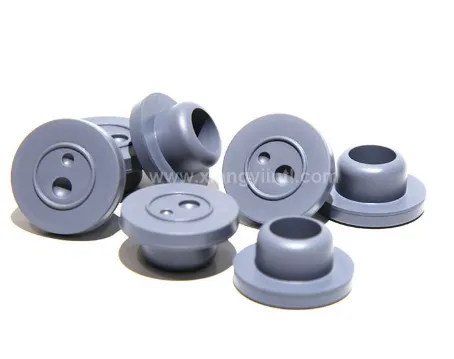
Vacuum Rubber Stopper:
Vacuum Rubber Stoppers are specifically designed to be used in containers with vacuum seals. They are made of a variety of rubber compounds such as neoprene and Viton and are best suited for use in laboratories and research facilities.
Pros of Vacuum Rubber Stoppers:
Vacuum rubber stoppers are designed to be used in containers with vacuum seals, which means they can help maintain vacuum pressure. Additionally, vacuum rubber stoppers are chemically resistant and are suitable for use in extreme temperature conditions. They can also be reusable, which makes them an environmentally-friendly option.
Cons of Vacuum Rubber Stoppers:
A major disadvantage of vacuum rubber stoppers is that they may not be suitable for use with all containers. Another potential issue is that they can be more expensive than other types of rubber stoppers.
Silicone Rubber Stopper:
Silicone rubber stoppers are a popular option for laboratory applications, as they are chemically inert and have low toxicity level. They are also resistant to temperature fluctuations. They are suitable for use with a wide range of products, including food, drug, and cosmetic containers.
Pros of Silicone Rubber Stoppers:
Silicone rubber stoppers are very durable and resistant to a wide range of chemicals and solvents. They are also a cost-effective option, making them a popular choice for many industries.
Cons of Silicone Rubber Stoppers:
One of the major disadvantages of silicone rubber stoppers is that they may not provide an airtight seal in certain containers. Additionally, they may not be suitable for use with certain substances.
Conclusion:
In conclusion, choosing the right rubber stopper for your needs requires considering a variety of factors. Depending on your needs, vial rubber stoppers, vacuum rubber stoppers, or silicone rubber stoppers may be the best choice. Regardless of the type of rubber stopper you choose, it is essential to work with a reputable supplier who can provide high-quality products. If you are looking for a reliable supplier of rubber stoppers, do not hesitate to contact us. We can help you find the right products for your needs.


评论
发表评论