The Importance of Blood Collection Tubes in the Pharmaceutical Packaging Industry
blood collection tubes are essential tools in the realm of healthcare and pharmaceuticals, playing a critical role in the accurate and safe collection, transport, and analysis of blood specimens. This article explores their significance, detailing their construction, functionalities, and regulatory standards.
Understanding Blood Collection Tubes
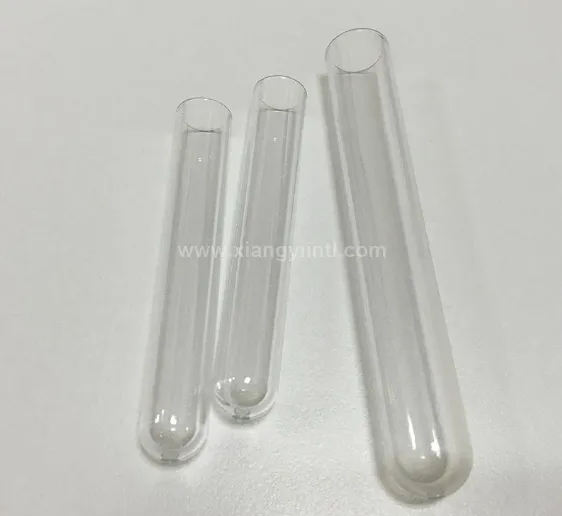
Blood collection tubes, commonly referred to as vacutainers, are cylindrical containers made from specialized materials. They are designed to collect and store blood samples for various diagnostic tests and medical procedures. These tubes come in different sizes and configurations, each tailored to specific medical applications.
Key Components and Construction
Blood collection tubes consist of several key components:
1. Tube Body: Typically made from high-quality plastic or glass, the tube body serves as the primary container for the blood sample.
2. Closure: A closure system, often comprising a rubber stopper or a plastic cap, ensures a secure seal to prevent leakage and maintain sample integrity.
3. Additives: Some tubes contain additives, such as anticoagulants or clot activators, which are essential for specific diagnostic tests. These additives prevent blood clotting or promote clotting, depending on the test requirements.
Importance in Blood Sample Preservation
The primary function of blood collection tubes is to preserve the integrity of blood samples from the moment of collection until laboratory analysis. This preservation is crucial for obtaining accurate diagnostic results, as blood composition and properties can change rapidly if not properly preserved.
Ensuring Sample Stability and Quality
Blood collection tubes are engineered to maintain sample stability through several mechanisms:
- Anticoagulants: Tubes containing anticoagulants, such as EDTA or heparin, prevent blood from clotting, ensuring that it remains in a liquid state suitable for various hematological tests.
- Clot Activators: Conversely, tubes with clot activators promote the clotting of blood, facilitating the separation of serum or plasma from cellular components for biochemical assays.
Regulatory Standards and Quality Assurance
The manufacturing and use of pet blood collection tubes are governed by stringent regulatory guidelines, ensuring their safety, reliability, and efficacy in clinical settings. These standards dictate aspects such as material compatibility, sterility, and labeling requirements to guarantee patient safety and accurate test results.
Innovations and Advancements
Recent advancements in blood collection tube technology have focused on enhancing sample preservation and usability:
- Integrated Safety Features: Some tubes are equipped with safety features, such as needle shields or closure mechanisms, to minimize the risk of accidental needlestick injuries.
- Barcoding and Tracking: Integration of barcoding and tracking technologies enables efficient sample identification and traceability throughout the testing process, reducing errors and improving workflow efficiency.
Conclusion
In conclusion, blood collection tubes are indispensable tools in the pharmaceutical packaging industry, crucial for the accurate diagnosis, treatment, and monitoring of various medical conditions. Their design, construction, and adherence to regulatory standards ensure that healthcare providers receive reliable and actionable diagnostic information from blood samples.


评论
发表评论