The Essential Role of Rubber Stoppers in Vaccine Bottle Packaging: Ensuring Safety and Efficacy
In the realm of pharmaceuticals, the integrity of packaging plays a pivotal role in maintaining the efficacy and safety of vaccines. Rubber stoppers are critical components in vaccine bottle packaging, ensuring that vaccines remain uncontaminated and potent from production through to administration.
What are Rubber Stoppers?
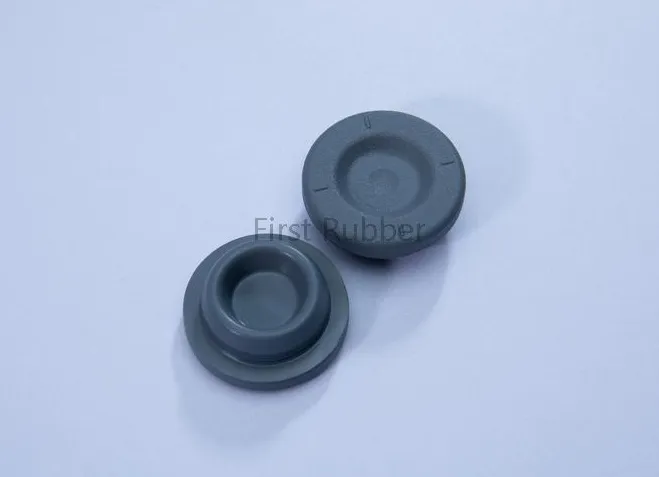
Rubber stoppers are specialized closures made from high-grade synthetic rubber compounds, meticulously designed to seal vaccine bottles effectively. They serve as barriers against external contaminants such as bacteria and moisture, safeguarding the purity of the vaccine formulations within.
Importance of Quality Assurance
Ensuring Sterility
The primary function of rubber stoppers in vaccine packaging is to maintain sterility. Each stopper undergoes rigorous sterilization processes to eliminate any potential pathogens that could compromise the vaccine's quality.
Preventing Leaks
Another critical role of rubber stoppers is to prevent leaks. The tight seal created by these stoppers ensures that vaccines remain securely contained within their bottles, preventing any leakage that could lead to wastage or contamination.
Materials and Manufacturing
High-Quality Materials
Modern rubber stoppers are crafted from synthetic elastomers such as bromobutyl or chlorobutyl rubber. These materials offer superior chemical inertness, resilience to temperature extremes, and excellent barrier properties against gases.
Precision Manufacturing
The manufacturing of rubber stoppers is a highly precise process. Advanced molding techniques ensure uniformity in size and shape, crucial for consistent performance across millions of vaccine bottles produced annually.
Role in Vaccine Stability
Chemical Compatibility
Rubber formulations are carefully selected for their compatibility with various vaccine formulations. This ensures that the stoppers do not interact chemically with the vaccines, preserving their stability and efficacy over extended storage periods.
Temperature Sensitivity
Rubber stoppers are engineered to withstand extreme temperature conditions encountered during transportation and storage. This capability is vital in maintaining the potency of vaccines, especially those requiring cold chain storage.
Regulatory Compliance and Safety Standards
Compliance with Regulatory Guidelines
Manufacturers of rubber stoppers adhere to stringent regulatory standards set by health authorities worldwide. These standards govern every aspect of production, from material selection and manufacturing processes to packaging and sterilization methods.
Quality Control Measures
Comprehensive quality control measures are implemented throughout the manufacturing process to ensure that rubber stoppers meet or exceed regulatory requirements. This includes extensive testing for biocompatibility, extractables and leachables, and dimensional accuracy.
Innovations in Vaccine Packaging
Advanced Barrier Technologies
Recent advancements in Rubber Stopper technology include the integration of advanced barrier coatings. These coatings provide an additional layer of protection against oxygen and moisture ingress, further enhancing the stability of vaccines.
Smart Packaging Solutions
Emerging technologies are exploring the integration of smart sensors within rubber stoppers. These sensors can monitor factors such as temperature and humidity, providing real-time data to ensure the integrity of vaccines throughout the supply chain.
Conclusion
In conclusion, rubber stoppers are indispensable components in vaccine bottle packaging, playing a crucial role in safeguarding the safety, efficacy, and stability of vaccines worldwide. Through meticulous design, rigorous testing, and adherence to regulatory standards, rubber stoppers ensure that vaccines reach healthcare providers and patients with uncompromised quality.


评论
发表评论